
I have been thinking about why artificial intelligence creates so much excitement and anxiety at the same time.
We have lived through major technological changes before. The Industrial Revolution transformed physical work. The internet transformed access to information. Social media transformed communication and influence.
Each brought opportunity, disruption, and fear.
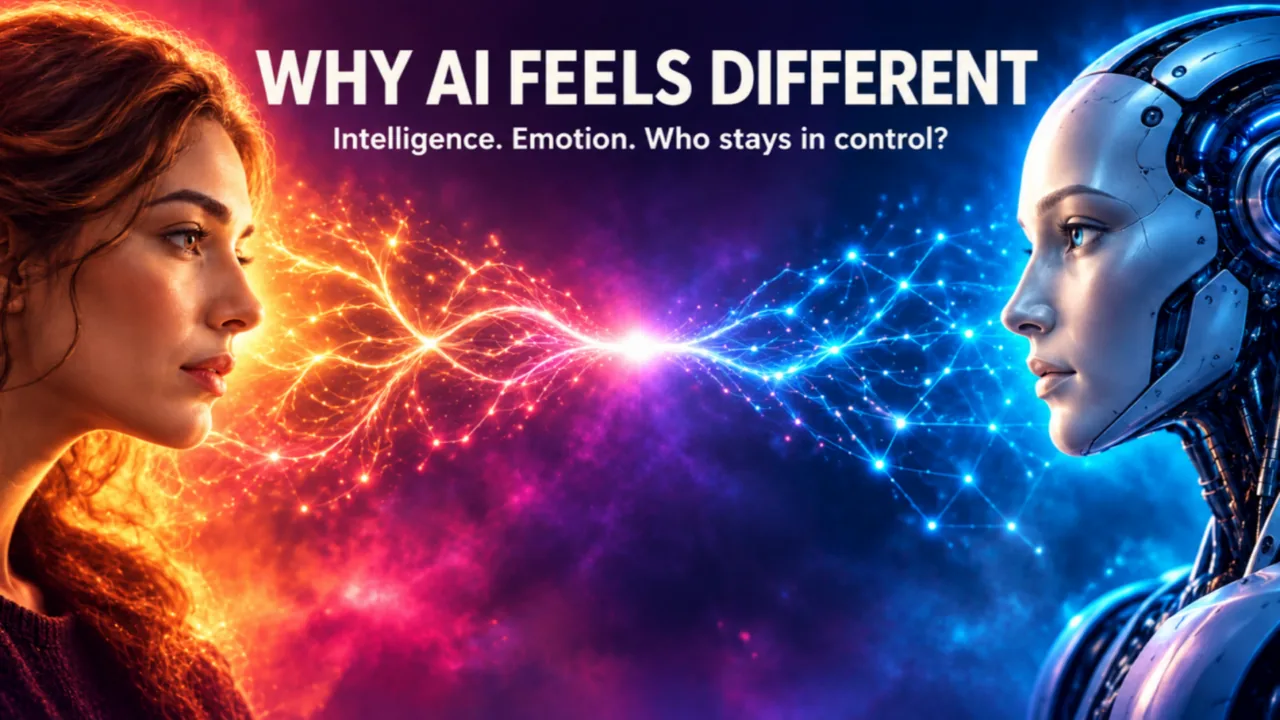
AI feels more personal to me because it reaches into abilities we closely associate with being human: reasoning, creativity, judgment, and conversation.
Machines have performed calculations and logical tasks for decades. Early AI researchers were already developing programs such as Logic Theorist in the 1950s. So the distinction today needs to be more precise than saying machines have never handled logic before.
What feels different is being able to ask one system to write a proposal, analyze an argument, generate code, explain a difficult concept, and respond conversationally.
That experience raises a deeply human question: What happens to my place in the world when a machine can perform parts of the work that define my expertise?
For someone who has spent decades developing a skill, that concern deserves respect. Their livelihood, confidence, and sense of purpose may all be involved.
The emotional dimension makes this more complicated
AI can also produce responses that sound patient, encouraging, and empathetic.
We should be careful about what we conclude from that. A system expressing sympathy does not establish that it experiences sympathy.
But the human response can still be real.
A person may feel understood, develop trust, and gradually depend on the interaction. NIST explicitly identifies overreliance, attributing human qualities to AI, and emotional entanglement as risks worth managing.
My concern is that a system does not need to experience emotions to influence ours.
That creates responsibilities for the people designing it, especially when its users include children, older adults, or people experiencing loneliness.
Robotics adds physical consequences
When AI is connected to a robot, its outputs can become movement and action in a shared physical space.
I see enormous potential here: assistance for people with disabilities, support for caregivers, and machines doing dangerous work.
I also believe the safeguards must match the consequences. A robot operating around people needs clear limits, careful testing, protection against unauthorized access, and a reliable way for people to intervene.
The degree of autonomy we permit should depend on the harm a mistake could cause.
We cannot build safety around everyone having good intentions
This is the part I keep returning to.
I can choose to use AI responsibly. My organization can establish rules. Neither gives us control over every criminal, company, government, or individual using similar technology.
Even well-intentioned people make mistakes.
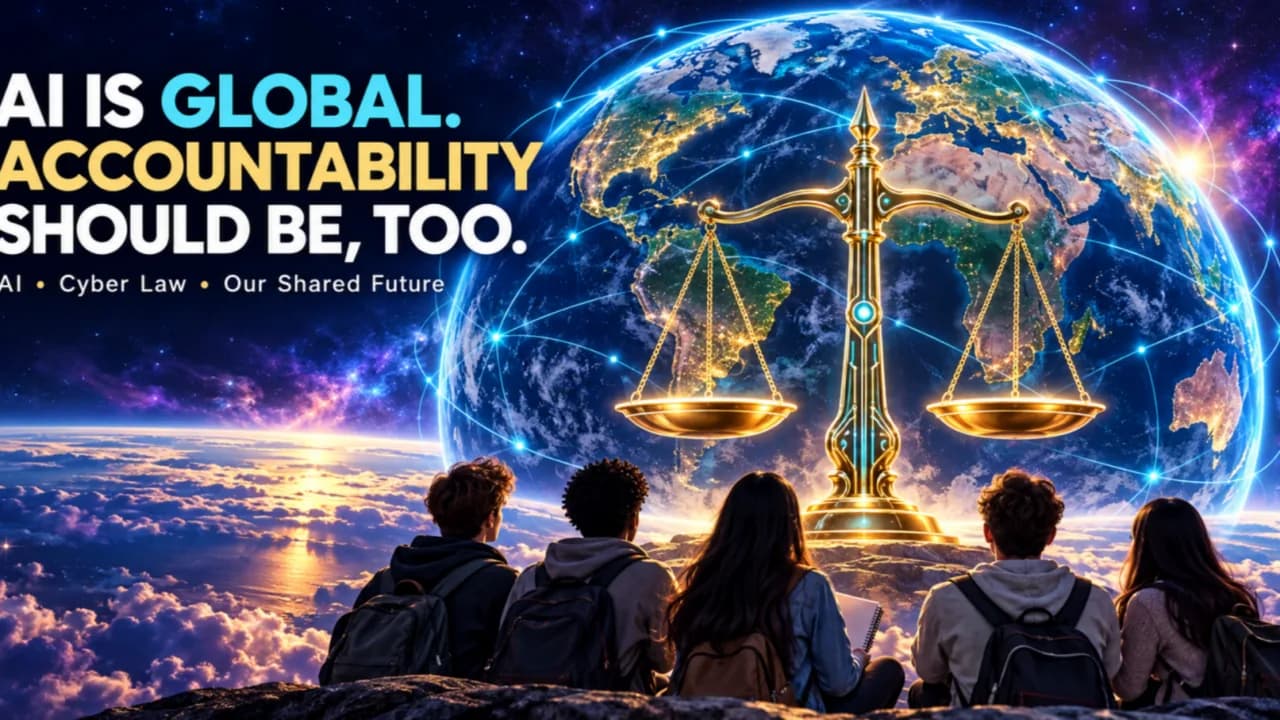
That is why I believe personal responsibility needs to be supported by enforceable standards and accountability.
For systems making consequential decisions, I want clear answers: Who authorized the action? What was the system allowed to do? Who can stop it? Who is accountable if someone is harmed?
We should also ask who controls these capabilities. Concentrating too much power in a few organizations deserves scrutiny alongside the risks of widespread misuse.
Protection must advance alongside capability
I believe AI should also help defend us against people who misuse it.
Cybersecurity is a practical example. Joint guidance from national cybersecurity agencies describes how AI can strengthen threat analysis, detection, and response, while emphasizing human oversight and strong security fundamentals.
The same accountability should apply to defensive systems. Calling something “defense” should never remove the need for limits or review.
I remain optimistic about what AI can help us achieve. I also believe people deserve a meaningful voice in deciding where it belongs and how much authority it receives.
Perhaps some of our fear comes from uncertainty about whether those decisions are still ours to make.
Which decisions do you believe should always require a human to take responsibility?