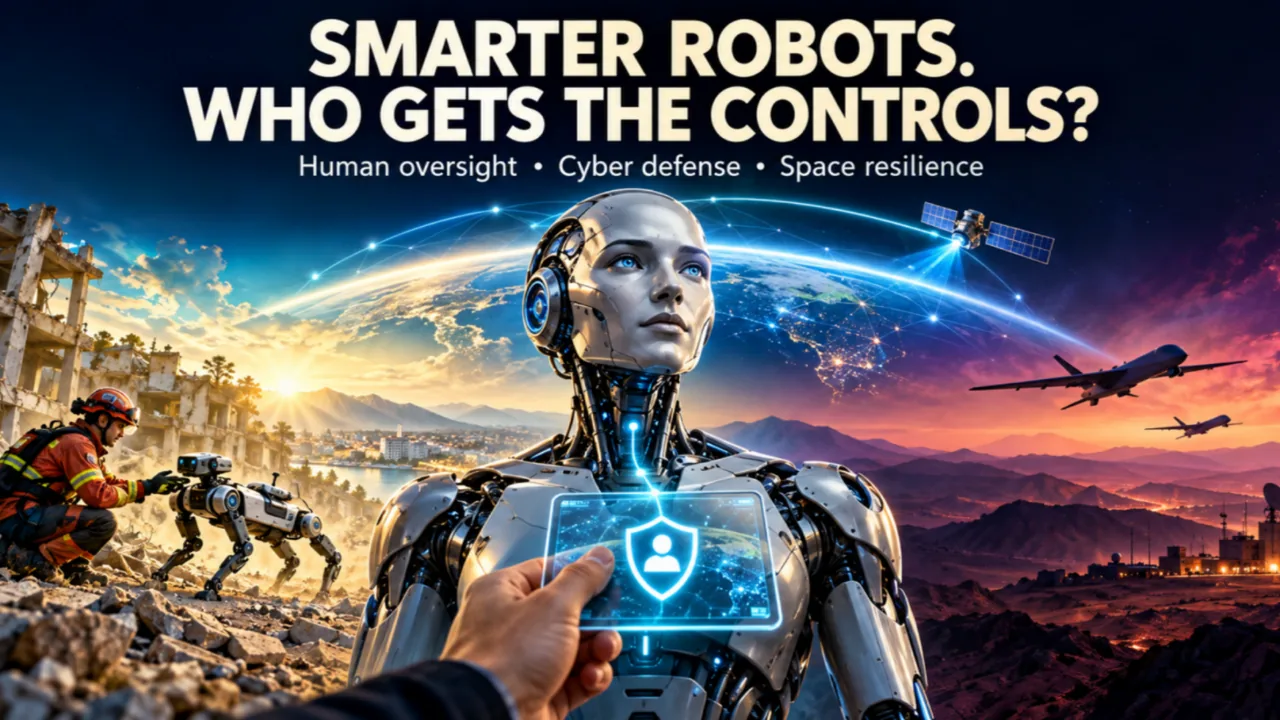

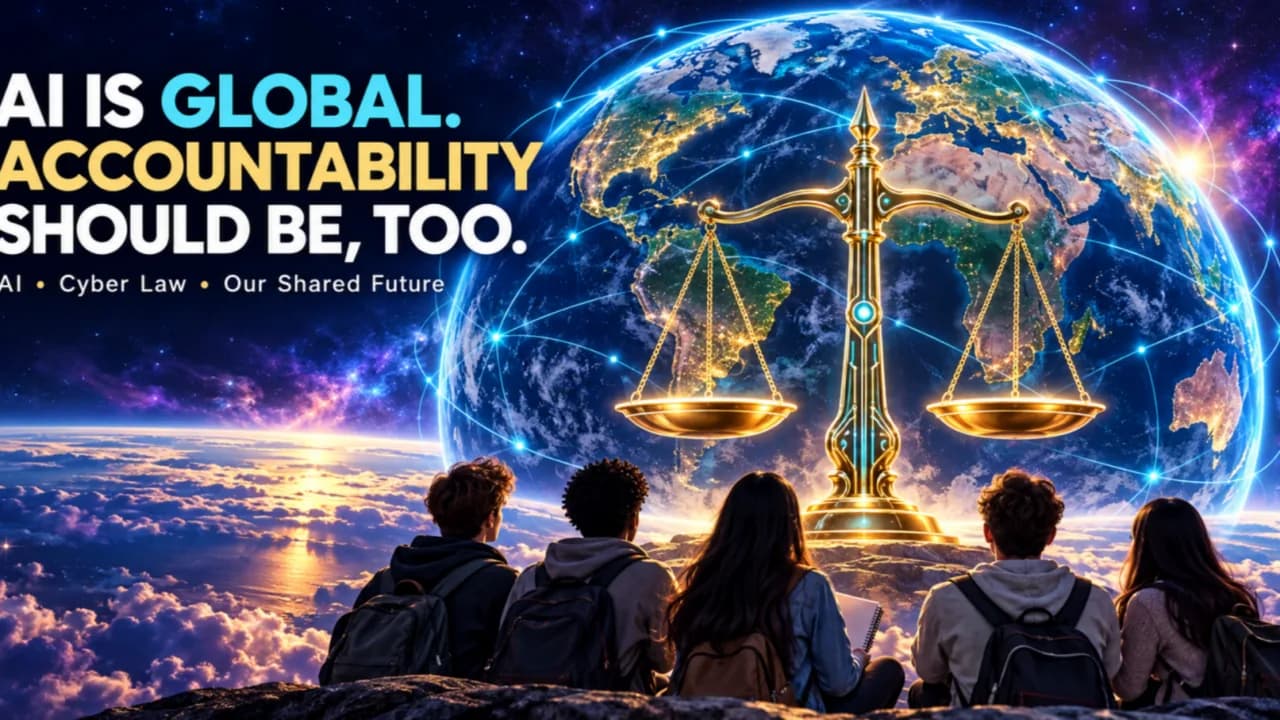
I am 17, interested in cybersecurity and law, and building AI tools myself.
I do not know exactly how an international agreement should be written. But I keep coming back to a question:
If AI can affect people anywhere, why should protecting those people depend so heavily on where they live?
Imagine someone creates a fake video in one country, distributes it through a platform in another, and harms a teenager somewhere else.
Whose rules apply? Who preserves the evidence? Who helps that teenager get the content removed?
I am learning that these questions can have complicated legal answers. From the person being harmed, though, the need is simple: someone should be able to help.
The world is responding, but in different ways
Researching this made me realize that governments are already doing more than I understood.
The European Union has an AI Act that sets requirements according to risk, including prohibitions, transparency obligations, and rules for general-purpose AI. Its requirements are taking effect in stages.
The United States’ AI Action Plan emphasizes innovation, infrastructure, and international diplomacy and security. China has introduced rules for public-facing generative AI services covering issues including security, personal information, content labeling, and provider responsibilities. These are different approaches, and an action plan is not the same thing as a law.
International cooperation is happening, too. The Council of Europe has opened an AI treaty focused on human rights, democracy, and the rule of law. Signing a treaty, however, is different from completing the steps needed to make its obligations binding on a country.
The United Nations has established an independent scientific panel and a Global Dialogue on AI Governance. These help countries share evidence and discuss policy. They are not a global regulator with enforcement powers.
That distinction matters to me. Understanding a problem, agreeing on principles, and making those principles work are separate steps.
Are we regulating AI, or organizing ourselves?
The more I think about AI law, the more it seems to involve organizing human responsibility.
People decide which data to collect, what systems to release, how much authority to give them, and what risks are acceptable.
When something goes wrong, “the AI did it” should not end the conversation.
Who deployed it? What testing happened? Were warnings ignored? Could the person affected challenge the decision?
I want laws that make those responsibilities clear before someone has to fight through several companies and countries to find an answer.
I believe we need stronger global oversight
I would support a global AI oversight body with a clear, limited mandate, working alongside national authorities.
Its monitoring should focus on dangerous capabilities and serious incidents. It should protect the privacy of ordinary users.
For me, useful responsibilities would include:
- Maintaining a shared reporting system for serious AI incidents and issuing warnings across countries.
- Coordinating independent testing of systems capable of causing widespread harm.
- Developing minimum safeguards that participating countries agree to enforce.
- Helping countries with fewer resources investigate incidents and protect their citizens.
A body like this would need an agreement defining its powers, funding, independence, and limits. Governments would need to give their commitments practical effect through domestic law.
I understand that countries have different interests and may refuse to cooperate. A global institution would also need protection against becoming dominated by powerful governments or companies.
That makes its design difficult. It also makes representation essential.
Young people, smaller countries, researchers, and communities affected by AI should have a meaningful voice. Their safety matters even when they do not own the technology.
Cyber law shows why cooperation matters
Cybersecurity already presents this challenge. Attackers, victims, service providers, and evidence can be spread across countries.
The UN Convention against Cybercrime creates a framework for international cooperation and information exchange. That illustrates the kind of coordination digital threats require, although it is not a general AI safety treaty.
Any cooperation should also protect privacy, free expression, and due process. I would worry about a system that tried to keep us safe by collecting everyone’s private information.
Protection needs boundaries, too.
What I hope law schools will teach
By the time I reach law school, I hope these subjects are woven into legal education.
Technical understanding. Future lawyers should understand how AI systems use data, where they can fail, and what questions to ask an engineer.
Digital evidence and cybersecurity. We should learn how to evaluate a suspicious recording, preserve evidence, and understand what happened during a breach.
Responsibility and human rights. We need to examine who answers for harmful decisions, how discrimination happens, and how people can seek a remedy.
International cooperation. Lawyers should practice working through cases involving several countries, conflicting rules, and companies operating across borders.
Responsible use of AI itself. The American Bar Association already provides guidance connecting generative AI use to duties including competence, confidentiality, communication, and reasonable fees. Learning those responsibilities should begin before someone represents a client.
I would also love to see law students working with cybersecurity students on practical cases, including helping people who cannot afford specialized legal support.
I am excited about what AI can make possible. Building with it has made me more interested in the responsibility that comes with it.
At 17, I do not have a complete blueprint for global governance. But I want my generation to help shape it.
If AI’s consequences cross borders, shouldn’t our responsibility to one another cross them, too?